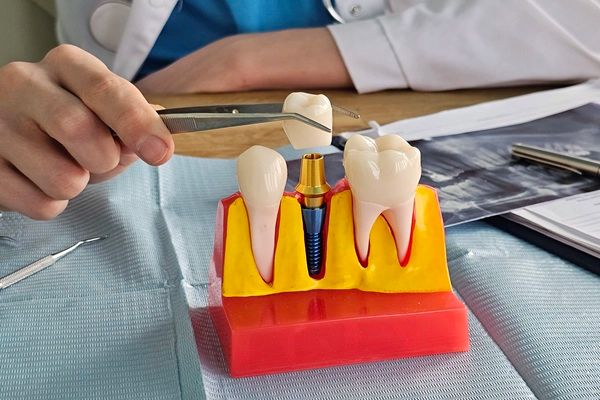
Dental implants provide a reliable, long-term solution for replacing missing teeth, but not every patient qualifies for treatment immediately. Several oral health and medical factors can affect whether implant placement is appropriate at the time of evaluation. The goal of a general dentist is to identify these concerns and develop a treatment plan that improves eligibility whenever possible.
Healthy bones support successful treatment
One of the most important requirements for dental implants is adequate jawbone volume. The implant post must fuse with healthy bone to create a stable foundation for the replacement tooth. Bone loss commonly occurs after a tooth has been missing for an extended period because the jaw no longer receives stimulation from the tooth root.
Fortunately, insufficient bone does not always rule out treatment. Bone grafting procedures can rebuild areas of lost bone, creating stronger support for future dental implants. After the graft heals, many patients become excellent candidates for implant placement.
Gum health matters
Healthy gums help support dental implants for many years. Active gum disease can damage the tissues and bone surrounding the implant, increasing the risk of complications. During the evaluation, the dentist carefully examines the gums for signs of inflammation, infection, or bone loss before recommending treatment.
If gum disease is present, periodontal therapy often becomes the first step. Professional cleanings, scaling and root planing, or other treatments help restore gum health before implant surgery begins. Treating these conditions first improves the likelihood of long-term implant success.
Certain habits and health conditions require attention
Some lifestyle habits and medical conditions may affect healing after implant placement. Tobacco use slows healing and increases the risk of implant complications. Certain uncontrolled medical conditions may also interfere with the body's ability to recover after surgery.
These factors do not always permanently prevent treatment. Depending on the situation, a dentist may recommend improving overall health, working with a physician to better manage medical conditions, or stopping tobacco use before proceeding with dental implants. A personalized evaluation helps determine the safest treatment timeline.
A complete evaluation guides treatment planning
Every patient presents a unique combination of oral health needs. During the consultation, the dentist evaluates several important factors before recommending dental implants, including:
- Jawbone volume and density
- Gum health
- Overall oral hygiene
- Bite alignment and neighboring teeth
- Medical history and healing considerations
This comprehensive assessment allows the dentist to recommend any preliminary procedures that improve the chances of successful treatment.
Many patients can become candidates
Being told that dental implants are not the right option today does not necessarily mean they will never be possible. Many concerns that affect candidacy can be successfully addressed through bone grafting, periodontal treatment, improved oral hygiene, or other preparatory care. Once these issues are resolved, many patients become eligible for implant placement and enjoy the long-term benefits of a stable, natural-looking tooth replacement.
Learn more or contact our office
Dental implants remain one of the most effective solutions for replacing missing teeth, and careful planning helps create lasting results. A comprehensive evaluation can identify any barriers to treatment and determine the steps needed to achieve a healthy, functional smile. Call our office for more information or to schedule a dental implant consultation.
Request an appointment here: http://www.southburydental.com or call Southbury Dental Care at (203) 278-5337 for an appointment in our Southbury office.
Check out what others are saying about our dental services on Yelp: Dental Implants in Southbury, CT.
Related Posts
Considering dental implants to replace missing teeth?No matter how it happens, having missing teeth can make anyone feel self-conscious. Instead of smiling naturally, people with missing teeth tend to hide their smiles and lose their confidence. Even worse, the space left by missing teeth is more likely to become infected with bacteria as opposed to other…
General dentists offer dental implants to patients with missing teeth to address cosmetic, functional and oral health concerns. Many patients do not know how to prepare for the consultation visit for multiple dental implants, and understanding useful questions to ask your general dentist is helpful. You may have specific questions that are important to you to…
Dental implants can potentially survive a lifetime of use; however, the implant crowns used for chewing and biting are vulnerable to the same factors that can damage natural teeth. Therefore, it is important to take proper precautions to extend the crown's lifespan.The following are tips to add more years to an implant crown and reduce…
Implant restorations are a highly effective solution for replacing missing teeth, offering patients a durable, natural-looking option that restores functionality and aesthetics. They involve a process that combines the surgical placement of a dental implant with the creation and attachment of a prosthetic crown or other dental appliance. Take a look at this step-by-step guide…