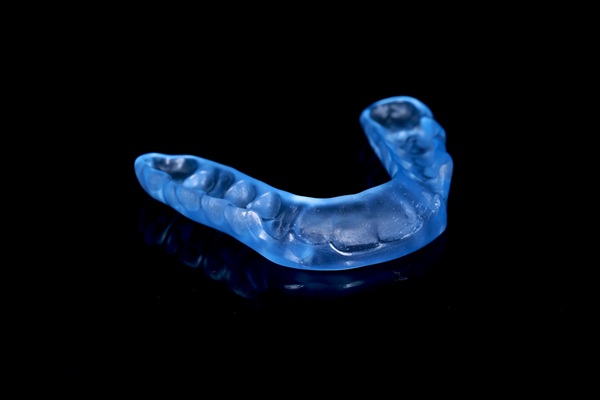
Excessive teeth grinding may mean that there is a need for a night guard. A night guard is a simple oral device that is worn while sleeping. It makes it very difficult to grind the teeth. This solution not only saves people's teeth but is also often considered an affordable solution compared to dental procedures to repair chipped or worn-down teeth. It is best to get a night guard from a professional dentist to ensure that it is of high quality and fits appropriately.
Impacts of teeth grinding
People are sometimes surprised at just how much teeth grinding can impact their life. Not only can teeth grinding interrupt sleep, but it can also have a considerable impact on oral health. Some of the most common issues linked to teeth grinding include:
- Toothache
- Headache
- Tooth fracture
- TMJ syndrome
- Jaw pain
Not only are these conditions uncomfortable, but they can also lead to serious dental issues. Wearing an oral appliance, like a night guard can help reduce the wear and tear on teeth and help people avoid costly dental procedures later on.
Who needs to wear an oral appliance?
Virtually anybody who grinds their teeth could benefit from an oral device. However, it is usually not recommended for very young children. Most people are aware that they grind their teeth simply because they wake up with a stiff or painful jaw. However, some people have no idea that they clench their teeth throughout the night. Typically, a dentist will suggest a night guard if he notices wear and tear patterns on the teeth. Regular wear and tear on teeth can impact a person's ability to chew or eat, and of course, it could also change the appearance of their smile.
How a night guard can help
A night guard can create the comfort that is needed to get a good night of rest while also protecting the teeth from future damage. It is not unusual for people who grind their teeth to wake up several times throughout the night because they are in pain or uncomfortable. The device creates a cushion between the teeth, so clinching is impossible. The benefits of wearing a night guard include:
- Better sleep
- Less tooth and jaw pain
- Protects teeth from damage
This simple device can go a long way in preserving oral health and ensuring that there are not even more serious tooth issues later on.
How to get used to wearing an oral appliance
One of the most difficult things about a night guard is learning to get used to wearing one. However, it is recommended to make the device a part of the bedtime routine by popping it in about ten minutes before it is time to sleep. Getting used to the feel of the device helps people grow accustomed to its feel faster. Usually, people are used to wearing it after a few short weeks. The dentist can also provide information about which fits and brands are the best for certain people.
Request an appointment here: http://www.southburydental.com or call Southbury Dental Care at (203) 278-5337 for an appointment in our Southbury office.
Check out what others are saying about our dental services on Yelp: Night Guards in Southbury, CT.
Related Posts
The goal of preventive dentistry is to keep teeth and gums clean and healthy in order to reduce the risk of cavities and other oral health concerns developing. It is a good idea to have a full understanding of how preventive dentistry can protect your smile and what services a dentist may recommend for cavity…
Dental implants provide a reliable, long-term solution for replacing missing teeth, but not every patient qualifies for treatment immediately. Several oral health and medical factors can affect whether implant placement is appropriate at the time of evaluation. The goal of a general dentist is to identify these concerns and develop a treatment plan that improves…
Experiencing a chipped tooth often causes sudden stress, but a quick treatment like dental bonding is a seamless way to repair the enamel instantly. This simple process rebuilds the lost structure without requiring extensive drilling or alteration. To learn if this option is right for your compromised tooth, schedule a consultation at our Southbury office.Even…
Persistent jaw discomfort often relates to the temporomandibular joint (TMJ), the hinge-like joint that connects the lower jaw to the skull. This vital joint facilitates the thousands of movements required for daily tasks such as eating, speaking, and yawning. When dysfunction occurs, the muscles and ligaments surrounding the joint become strained, leading to chronic tension…